
.png)
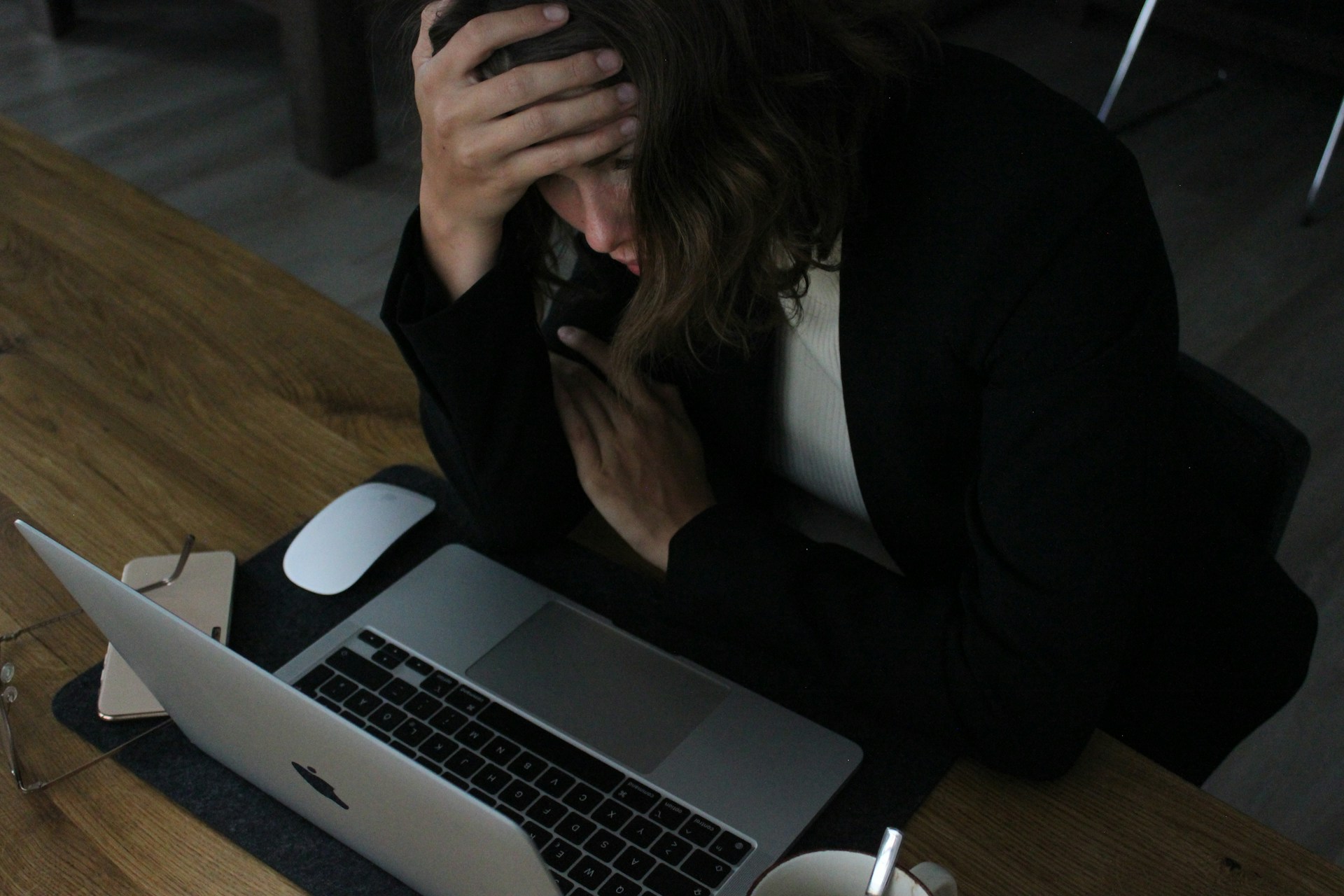
Domestic abuse is something some of us will have experienced in our lives, often without realising it until someone else points it out. But domestic abuse takes many forms, and one of these is financial, or economic abuse, which is often a big part of controlling behaviour.
The mistake many people make is thinking that this kind of abuse happens to people who are weak or unable to make decisions for themselves. But this is very far from being the case. Often, it is the strongest people who face domestic abuse, and this is why it is so important to know the signs.
Economic abuse is typically considered to be restricting access to bank accounts, assets, or coercing someone to take onadditional bills or borrowing, according to the Low Incomes Tax Reform Group (LITRG). But this is just one aspect of this type of abuse, as it can also be tax related.
How big a problem is this?
The charity Surviving Economic Abuse’s research shows that one in seven women (15%) have experienced economic abuse at the hands of a current or former partner in the previous 12 months. This works out at around 4.1m women aged above 18. Sadly, both the pandemic and the cost of living crisis have increased the likelihood of economic abuse occurring, according to the LITRG.
However, tax-related economic abuse is a specific subset of economic abuse, and happens when one partner takes complete control of the other partner’s taxation responsibilities without their knowledge or permission. The UK tax system is designed so individuals deal with their own tax on income and any gains they make, and deal with HMRC directly, or through their own accountant.
The tax-related abuse happens in avariety of ways, but all result in someone being controlled, manipulated orfinancially exploited. It can happen when someone:
· Coerces you into tax debt.
· Handles your tax affairs without your informed consent.
· Files a tax return for you without your knowledge or makes decisions in your name.
· Misrepresents your income or circumstances to HMRC.
· Uses seemingly ordinary tax arrangements in ways that are detrimental to you.
· Withholds information you need to understand your tax position or correctly deal withyour tax affairs.
Source: LITRG
Often, this kind of abuse only becomes apparent when a relationship comes to an end, according to LITRG, but it may also be something that a third party, whether that is a friend, a relative, or even a tax professional, may realise is an issue before the individual does. So, if you think someone might be in this position, then consider how best to let them know. It is not a good idea to do this while their partneris there, and often the person you suspect is being abused will tell you it isn’t happening.
If that’s the case,then you may want to consider getting some advice about how to approach thiswithout creating a bigger problem for them.
Let us help you
If you think you or someone close to you may be the victim of economic abuse, then please get in touch with us and we will do what we can to help you.